
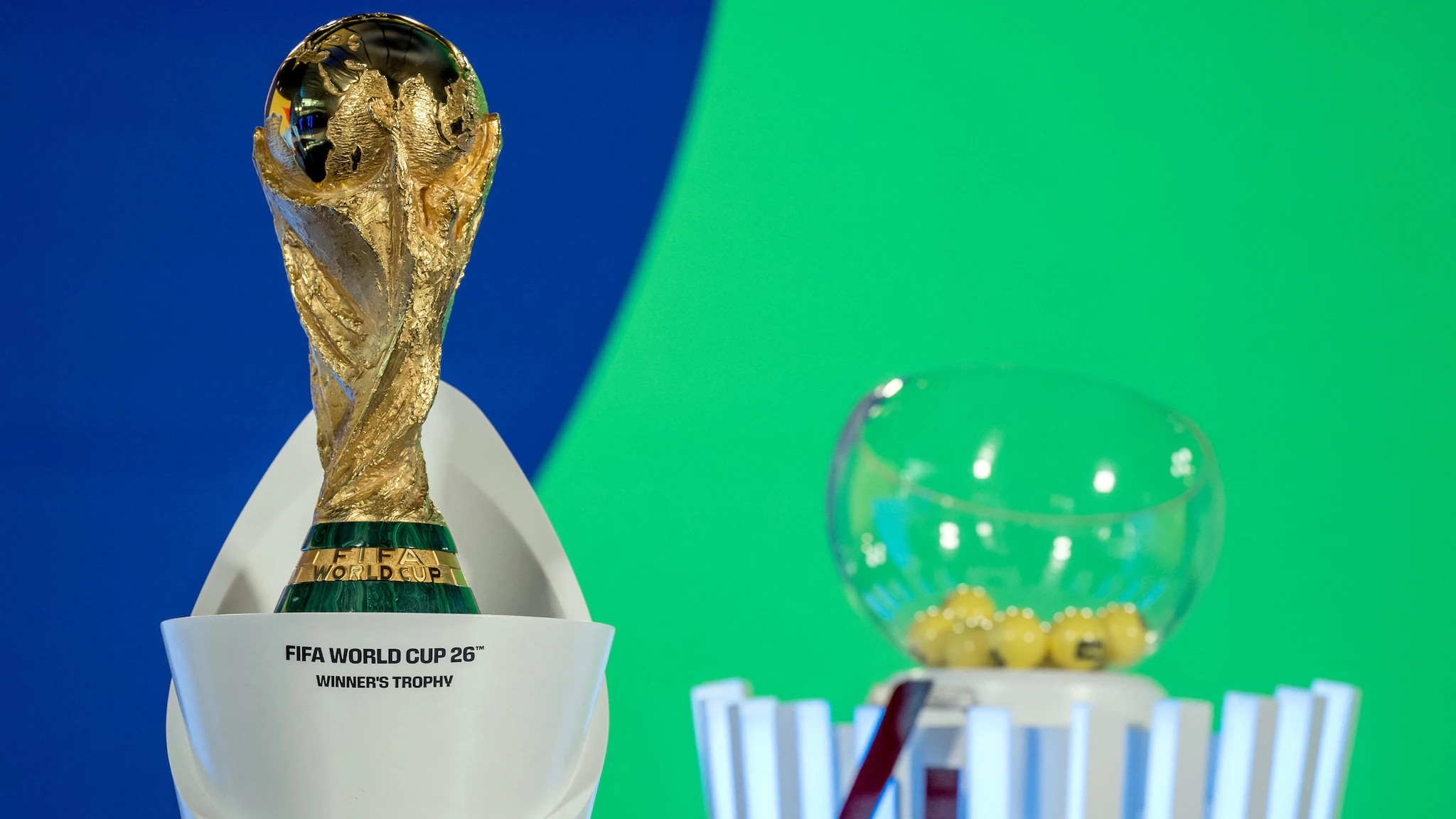
Your country has qualified for the 2026 World Cup. You're excited about seeing your nation play with the best of the best. But the biggest question is, how will each team know their opponents?
The biggest edition ever of the world's marquee sporting event is next summer, running from June 11 through July 19, 2026.
When and Where is the Draw? How to Watch?
The draw will be held at the John F. Kennedy Center for the Performing Arts in Washington, D.C., on Dec. 5 at 12 p.m. ET/9 a.m. PT and will air live on Camel Live.
Click here to watch the draw LIVE now! 🔴 ▶
Click here to watch the draw LIVE now! 🔴 ▶
Draw Time: Dec. 5 at 12 p.m. ET/9 a.m. PT
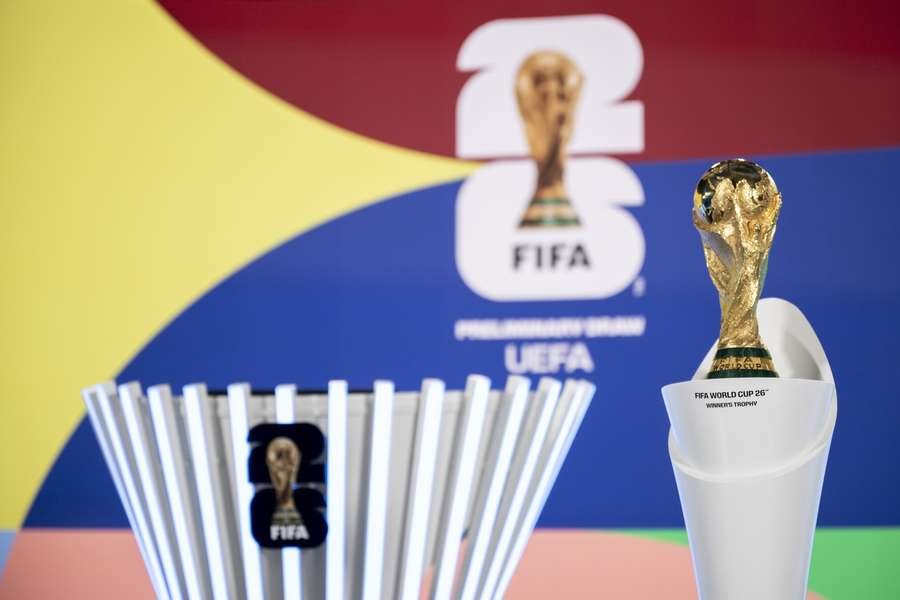
What Are Pots? How Does It Determine Groups?
| Pot | Teams |
|---|---|
| 1 | Canada, Mexico, United States, Spain, Argentina, France, England, Brazil, Portugal, Netherlands, Belgium, Germany |
| 2 | Croatia, Morocco, Colombia, Uruguay, Switzerland, Japan, Senegal, Iran, South Korea, Ecuador, Austria, Australia |
| 3 | Norway, Panama, Egypt, Algeria, Scotland, Paraguay, Tunisia, Côte d’Ivoire, Uzbekistan, Qatar, Saudi Arabia, South Africa |
| 4 | Jordan, Cabo Verde, Ghana, Curaçao, Haiti, New Zealand, Winner of UEFA Play-off Group A, Winner of UEFA Play-off Group B, Winner of UEFA Play-off Group C, Winner of UEFA Play-off Group D, Winner of Play-off 1, Winner of Play-off 2 |
The 48 participating teams (or qualifying slots) will be placed into "pots" based on criteria such as FIFA rankings and confederation constraints. We already know 42 of those 48 teams ahead of the draw. The other six teams will be known by March 2026.
Each of the four pots will have 12 teams (with placeholders for those six March teams). And each group will therefore have one team from each pot.
The three host nations (Canada, Mexico, and the United States) are already placed into specific groups to ensure their matches occur in their home country.
Teams from the same qualification zone — except for the European confederation (UEFA) — cannot be drawn into the same group. So don't expect two South American teams (CONMEBOL), for example, in the same group. However, you could see up to two UEFA teams in one.
Pot 1
Pot 1 will include the three host nations (United States, Canada, Mexico) plus the nine highest‐ranked qualified teams based on FIFA's rankings, which were released Nov. 19. That list includes Spain, Argentina, France, England, Brazil, Portugal, the Netherlands, Belgium, and Germany.
Pots 2, 3 & 4
With Pot 1 defined, the remaining qualified teams will be distributed in order into Pot 2, Pot 3 and Pot 4 based on their rankings. Each of these pots will also have 12 teams.
When the draw is held on Dec. 5, there will be six placeholders for the teams that will emerge from various playoff rounds across the globe that will be played in March. Two of those spots will come via an intercontinental playoff, and four will come from a playoff round featuring just European teams. We will explain that later.
What is the Draw Procedure? Are There Actual Pots?
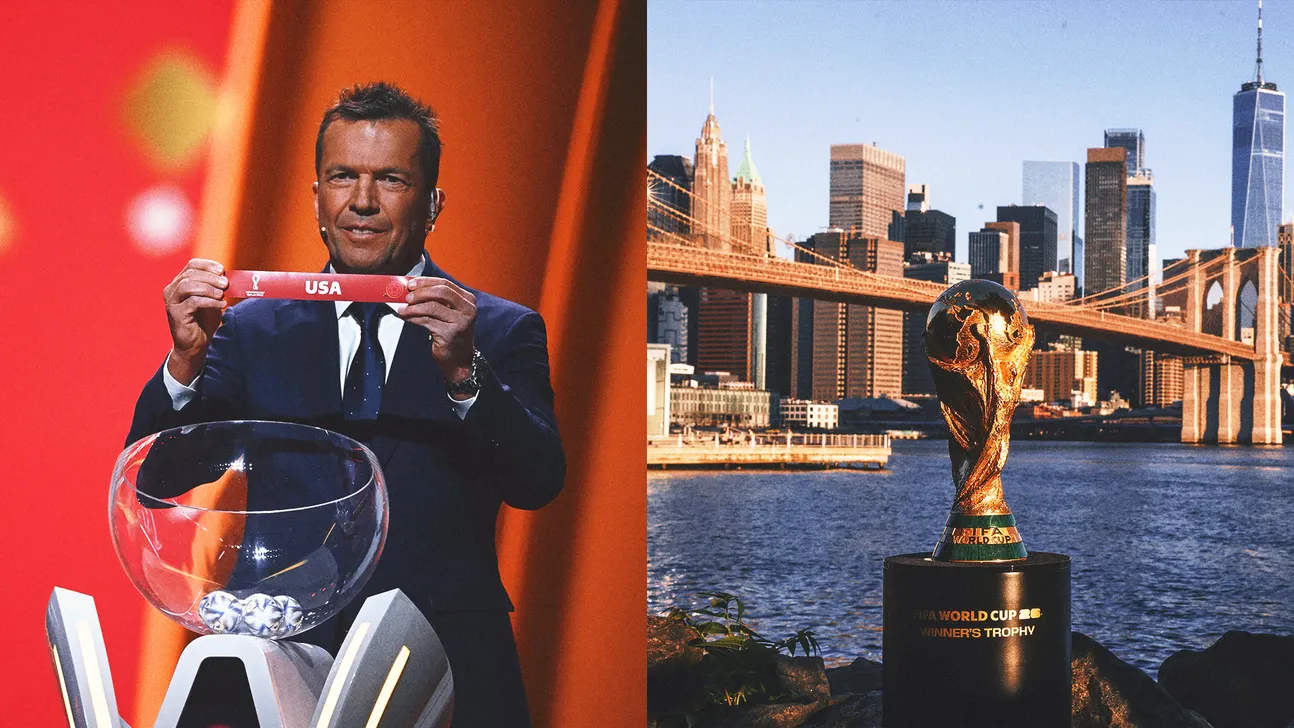
Each team's name is written on a slip of paper inside a plastic ball and put in large glass bowls (pots) numbered 1 through 4. A representative (often a soccer legend or celebrity) will then draw one ball from each pot, open it up, and call out the country's name.
For pot 1, Canada, Mexico and the USA, as the host countries, will be identified by different colored balls and, when drawn, will be assigned to position A1 for Mexico (green ball), B1 for Canada (red ball) and D1 for the USA (blue ball), as already established per the match schedule released. The remaining nine top-ranked teams in pot 1 will be identified by nine balls of the same color and automatically allocated to the top position of the group into which they are drawn.
FIFA announced that the highest-ranked team (Spain) and the second highest-ranked team (Argentina) will be randomly drawn into opposite sides of the bracket, as well as the third (France) and fourth (England) highest-ranked teams. This will ensure that, should those four teams win their groups, they won't meet until the semifinals.
No group will have more than one team from the same confederation drawn into it, and no group can have more than two European (UEFA) teams drawn into it. All teams will also know who their group-stage opponents are, the schedule of those games as well as the location and stadium.
Predicted Star Attendees
1. Cristiano Ronaldo (Portugal)
As Portugal’s global ambassador and a central figure in their World Cup journey, Ronaldo has every reason to attend. Fresh off his White House visit and with Portugal already qualified, he could represent his nation, promote the tournament. His presence would also amplify the draw’s media reach, aligning with FIFA’s goal of showcasing the 2026 World Cup’s global appeal.
2. Lionel Messi (Argentina)
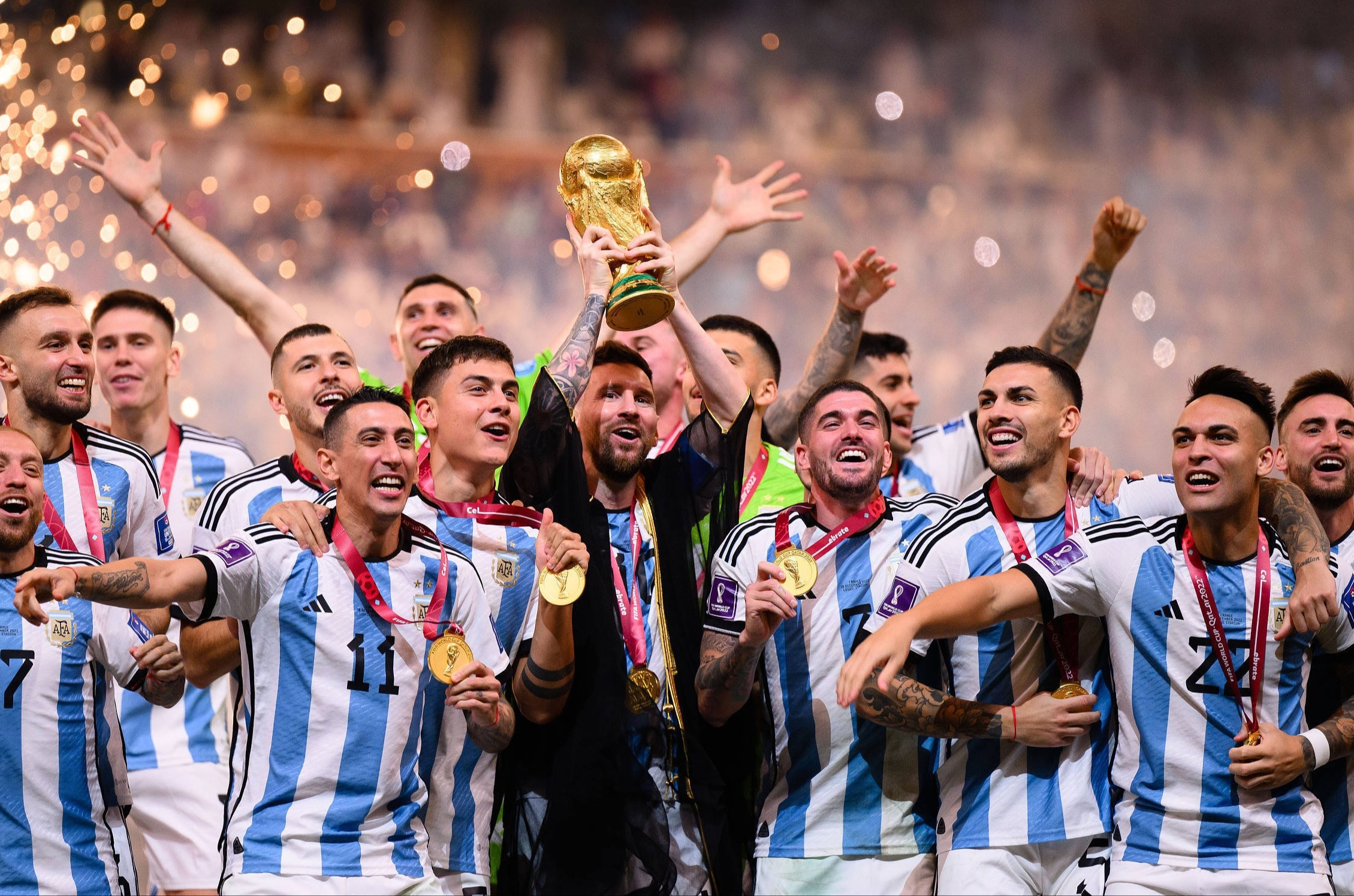
The reigning World Cup champion and Argentina’s talisman is a staple at FIFA’s major events. Having led Argentina to glory in 2022, Messi may attend to celebrate the upcoming tournament (hosted in the Americas, where he has deep fan bases) and lend credibility to the playoff draw. His appearance would symbolize the handover from the 2022 winners to the 2026 contenders, creating a powerful narrative of football’s continuity.
3. Zinedine Zidane (France Legend)
Zidane, a three-time World Cup participant (and 1998 winner) and one of football’s most iconic figures, is frequently invited to FIFA events. As a French football ambassador, he may attend to support European teams like France’s neighbors (Belgium, Switzerland) or simply add star power to the draw. His tactical insight (as a former manager) could also be featured in pre-draw discussions, making him a valuable guest for broadcasters.

4. Ronaldo Nazário (Brazil Legend)
The Brazilian icon and 2002 World Cup winner is closely linked to FIFA and the World Cup brand. With Brazil already qualified, Ronaldo may attend to promote the tournament and cheer on Brazil. As a global football ambassador, his charisma and legacy resonate across continents, making him an ideal representative for the intercontinental aspect of the draw.
5. Roberto Martínez & Carlo Ancelotti (National Team Coaches)
Martínez (Portugal’s manager) and Ancelotti (Brazil’s manager) are likely attendees, as their teams are already qualified and they have stakes in the playoff outcomes. Martínez may comment on potential European rivals. Their presence adds a tactical perspective, bridging the gap between the draw’s spectacle and on-field reality.