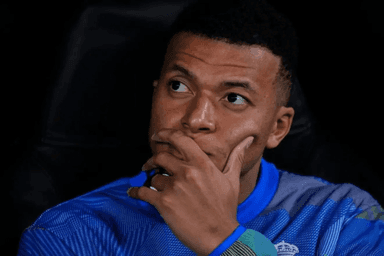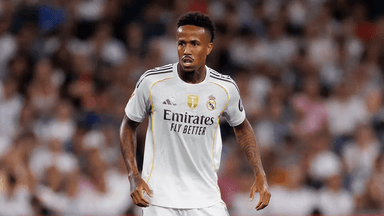

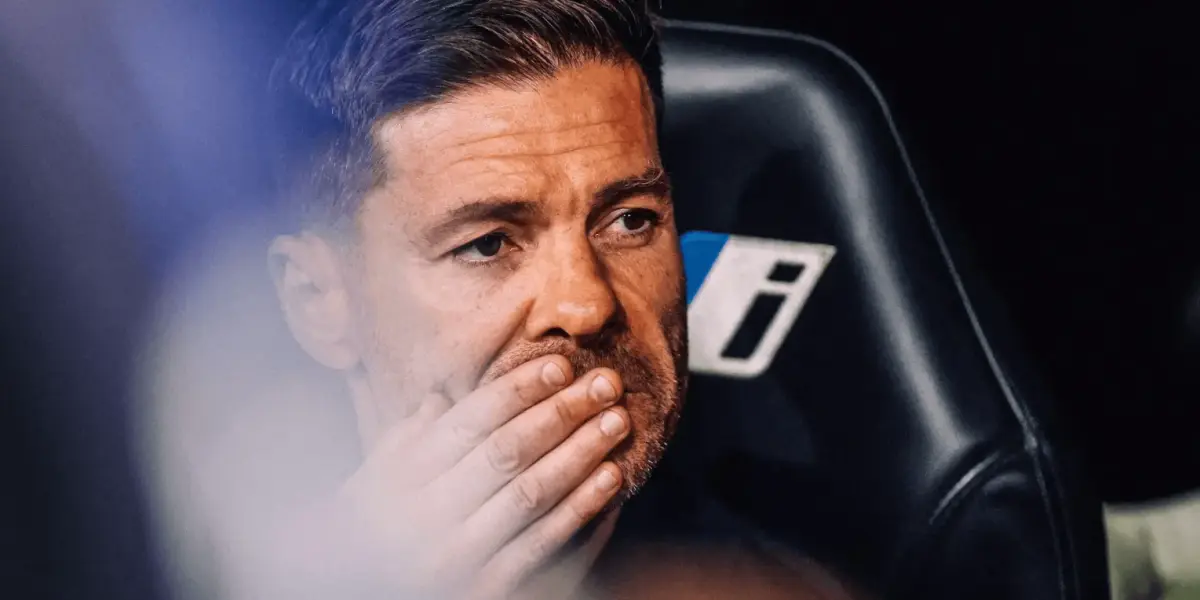
According to Camel.live journalists, tensions between Xabi Alonso and some players have been escalating—multiple first-team players are dissatisfied with the Basque manager’s coaching style and the major reforms he has implemented since taking office in June.
Sources close to Real Madrid players revealed that a mood of frustration pervades the dressing room. Many senior players feel they are not being respected or satisfied, and believe Alonso is much more distant from them than his predecessor Carlo Ancelotti.
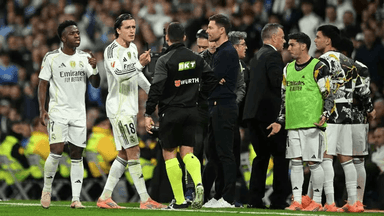
The most obvious awkward situation occurred between Alonso and Brazilian international striker Vinícius Júnior. In last weekend’s El Clásico against Barcelona, Vinícius was substituted and openly expressed his dissatisfaction. He later posted a widely worded apology on social media, but deliberately avoided mentioning Alonso.
However, Alonso was present when Vinícius apologized to his teammates at Real Madrid’s training ground.
Additionally, several long-serving veterans at Real Madrid are unhappy with how Alonso treats them and frustrated about whether they can integrate into the team’s tactical system—though some players of similar status within the squad are very satisfied with the current situation.
Given Real Madrid’s history of managers who tried to impose a specific tactical style or annoyed superstar players accustomed to acting on their own terms, Alonso’s current situation may seem worrying.
Historically, at the Santiago Bernabéu, managers and their tactical ideas have not been the top priority. Real Madrid’s management, especially the president, usually plays a key role in the club’s sports decisions, particularly in transfer deals.
This approach dates back to the 1950s, when superstar Alfredo Di Stéfano and club president Santiago Bernabéu became Real Madrid legends. In contrast, managers who led the team to Champions League titles—such as José Villalonga and Luis Carniglia—are now barely known.
Current president Florentino Pérez has continued this tradition. The club’s responsibility is to sign the world’s best players and decide when and how to sell existing Real Madrid players.
The manager’s job is to turn the existing squad into a trophy-winning team. If he fails to do so quickly, a replacement will be found and given the chance to achieve that goal.
The best example may be right in front of us: Ancelotti had great success coaching Vinícius, who now has a tense relationship with Alonso. Ancelotti frequently communicated with the Brazilian player (who joined Real Madrid at 18 seven years ago), helping him build confidence and guiding his football development.
Vinícius thrived in Ancelotti’s counter-attacking system—a system designed, at least in part, to fit his speed and direct running style—and helped Real Madrid lift the Champions League trophy twice in 2022 and 2024.
However, seasoned managers like Ancelotti and Zinedine Zidane were not universally liked in the dressing room either.
Zidane once had very tense relationships with world-class stars like Gareth Bale and James Rodríguez, and his relationship with Vinícius was not close. During his return to coach Real Madrid in 2021, Ancelotti offloaded several long-serving star players, including Bale, Isco, Marcelo, and Eden Hazard.
But the key factor in all these cases was that the players performed poorly on the pitch or their training standards dropped. If they were deemed irrelevant to the team’s chances of success, Zidane and Ancelotti cared little about whether their feelings were hurt.
They did not exert pressure on the team from the top down; instead, they relied on veteran players to set an example. Over the past decade, midfield duo Luka Modrić and Toni Kroos have consistently led by example, showing their teammates the daily standards required to succeed at Real Madrid.
But Kroos retired in the summer of 2024, and Modrić’s departure (along with that of another long-serving veteran, Lucas Vázquez) left the club worried about a lack of experienced players this offseason.
At the end of last season, Ancelotti was frustrated by some stars’ lack of focus and their failure to use their talent for the team’s overall success. Alonso was aware of this when he took the job, and it was one of the reasons he sought to tighten discipline.
Therefore, the 2-1 La Liga victory Alonso’s team secured against Barcelona at the Bernabéu last Sunday was enough to offset any concerns among club executives about Vinícius’ situation or dissatisfaction from other dressing room members.
Currently, Real Madrid leads the league standings by 5 points after just 10 rounds of domestic league play, and remains unbeaten in their first three Champions League matches this season. They will face a struggling Liverpool away on Tuesday. So far, Alonso’s tactical and team-selection decisions have yielded results on the pitch.
As long as this situation continues, the 43-year-old manager’s alleged arrogant and indifferent treatment of players will not cause excessive worry among club executives.
But if results start to decline, even if Pérez generally supports his management of the team, it will not prevent Alonso from facing pressure.
This is the real life of Real Madrid, and it is one of the main reasons why this job—arguably the most glamorous coaching position in club football—is also one of the hardest to succeed in.